By 2027, the pest control market in Singapore is forecasted to achieve a stable growth rate. This reflects the demand for pest management services across various sectors including retail.
The question to ask now is, “What makes pest control in Singapore retail vital?” Let’s discuss all these reasons below.
The Retail Pest Reality
Pests are more common in retail stores than many owners think. In fact, studies show that over 60% of stores have some kind of pest problem each year without knowing it until the damage is done.
Retail spaces are especially at risk because of the heavy foot traffic, wide range of products, and many entry points that make it easy for pests to get in.
Because of the humid weather, cockroaches are a frequent issue. They like warm, damp places and can quickly multiply in hidden spots. Ants are also a problem, especially where food crumbs are present. They can build nests inside walls or storage areas.
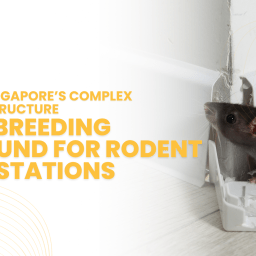
Rodents are another cause of concern for stores that handle food or use cardboard boxes, which rats and mice use for nesting.
Flying insects like flies and gnats can annoy customers and contaminate surfaces. For stores that sell dry goods, beetles and moths can cause serious damage to products.
Retail environments can provide pests with everything they need to thrive—food, shelter, and warmth.
The Real Cost of Ignoring Pest Control
Trying to handle pests on your own, or worse doing nothing, can cost you so much more than hiring professionals.
When pests get into your inventory, you may have to throw away products worth hundreds or even thousands of dollars. This is accurate for food retailers who usually need to discard entire shipments once contamination is found.
Even worse, a single pest sighting from a client’s point of view can harm your store’s reputation. Now that we are in the era of social media and online reviews, bad news could really spread fast. It can take a long time—and effort—to win back customer trust.
There are also serious health and safety risks. If a customer gets sick, has an allergic reaction or is injured because of pests, they may sue you. On top of that, pest-related health violations can disrupt your business, cost you a lot, and even temporary closure.
Retailers must also follow strict pest control rules from Singapore’s National Environment Agency, especially if they sell food.
Why Commercial Pest Control in Retail is Different
Commercial pest management is more complex than in homes or offices. That’s because stores must stay welcoming for customers while dealing with pest problems quietly and effectively. Treatments need to be discreet, so they don’t disturb shoppers or alarm them.
Store hours can also make things tricky. Many retail shops are open for long hours, or even 24/7, so there’s less time for full-scale treatments. Commercial pest control work often has to be done after hours or in ways that are safe for customers while the store is open.
Each type of retail store also has different needs. Food stores must follow strict safety rules, which limit the types of treatments that can be used near food. Clothing stores need pest control methods that won’t stain or damage fabrics. Electronics stores require special care to avoid harming sensitive equipment.
Since retail operations are always moving, commercial pest management needs to be flexible. It must fit around daily activities without getting in the way. That’s why it’s important to work with commercial exterminators who understand how retail works and can adjust their services to keep things running smoothly.
DIY vs. Commercial Pest Control
Using store-bought pest control products might seem cheaper but they usually don’t work well in retail settings. These products offer only short-term relief and don’t fix the root of the problem. As a result, pests keep coming back, costing more in the long run.
Retail spaces need stronger solutions. Commercial pest management uses commercial-grade products and equipment that aren’t available to the public. These work faster, last longer, and are more effective than regular sprays or traps you can buy off the shelf.
Experts also bring something DIY cannot match. That’s knowledge. Commercial exterminators know how to identify pests, understand their behaviour, and apply targeted treatments based on your store’s layout and risk areas. They can spot early warning signs that most people would miss, helping prevent bigger problems before they start.
Hiring commercial exterminators may seem more expensive upfront, but it often saves you money over time. DIY treatments add up, especially when you factor in lost products, unhappy customers, and a damaged reputation.
When you look at the full picture, commercial pest management is usually the smarter, more cost-effective choice.
Why Choose Professional Commercial Pest Control
Commercial pest control offers more than just getting rid of visible pests. It starts with a full inspection to spot hidden issues, like entry points, conditions that attract pests, and other risk factors.
One big advantage is custom treatment plans. Every store is different. The type of products you sell, your location, and how your building is set up all affect what pests you might face. Commercial exterminators create target plans based on your store’s specific needs, instead of using a one-size-fits-all solution.
Professionals also take a preventive approach. Rather than waiting for pests to appear, they focus on stopping infestations before they start. With regular checks and targeted treatments, they help keep your store pest-free all year. Preventing problems is much cheaper than fixing them later.
Another benefit is regulatory compliance. Commercial pest control providers are familiar with local laws and safety standards.
They keep proper records and help you stay inspection-ready, which is useful for audits, certifications, and even insurance claims.
Finally, professional services offer detailed reporting. You’ll get clear documentation of what’s been done, what was found, and what needs attention. These records help with quality control and show that you’re taking pest management seriously.
What to Look For in a Commercial Pest Control Partner
Choosing the right commercial pest management partner is important. Start by checking if their technicians are licensed and certified to ensure that they follow safety rules and know the latest pest control methods.
Look for a company with experience in retail settings. Retail pest control is different from other environments. It requires an understanding of customer service, protecting inventory, and working around business operations. A provider with retail experience will know how to handle these challenges with minimal disruption.
A good pest control company should follow Integrated Pest Management (IPM). This means they focus on prevention, monitoring, and targeted treatments, not just spraying chemicals. IPM is safer, more effective, and saves money in the long run.
Flexible scheduling is also key. Your provider should be able to work after hours or during slow periods so your business isn’t interrupted. This includes handling special events or peak shopping times.
You’ll also want a partner with emergency response services. Pest problems can’t always wait. A reliable provider should be able to act quickly to prevent damage to your stock or harm to your store’s reputation.
Finally, make sure everything is clear in the service agreement. Understand what’s included, how fast they’ll respond, and whether their work comes with a guarantee. This protects your investment and sets clear expectations.
Signs Your Retail Store Needs Commercial Pest Control
If you are seeing pests during store hours, it’s a clear sign you need professional help. Pests in customer areas usually mean the problem is serious and could hurt your store’s reputation if not handled quickly.
Customer complaints about pests should be taken seriously. Even one report could mean there’s a bigger issue behind the scenes that staff haven’t noticed yet.
Damaged products or packaging (e.g., bite marks, holes, or signs of contamination) are warning signs of active pests. These problems can lead to direct financial losses and often appear before you notice any pests.
If you notice unexplained inventory loss, it might be due to pests. Sometimes pests damage or contaminate products without leaving obvious signs, making them unsellable.
And lastly, if your DIY efforts haven’t worked, it’s time to bring in the professionals. When store-bought solutions fail, the infestation is likely too advanced and needs expert treatment to fully control.
Conclusion
Professional commercial pest control is a worthy investment for the success of your retail business. The costs associated with professional services pale in comparison to the potential losses from pest-related damage.
You should view this investment decision as business insurance. Contact a qualified commercial pest control provider today to discuss how commercial pest management can protect your retail store.