2024 has been one of Singapore’s hottest years on record, with the annual mean temperature hitting 28.4°C — matching previous highs in 2019 and 2016. But the rising heat isn’t just making daily life uncomfortable. It’s also driving an alarming surge in pest activity (pest infestations) across the island.
For 6 million residents and thousands of businesses, the climate change affecting pest activity is a present crisis that demands urgent action.
Protect your homes, businesses, and communities by learning about how different pests are behaving now as intensified by the warming climate.
The Changing Climate
The latest climate data paints a clear picture of a shifting environment. In 2024, aside from the annual mean temperature, which is 0.6°C higher than the long-term average, July also became the hottest month ever recorded at 29.3°C. December temperatures soared to 35.6°C.
These figures reflect more than unusual heat and mark a new normal for the nation’s climate.
Rainfall has also grown increasingly unpredictable. January 2024 brought 83.3% more rain than average. By contrast, July saw an 18-day dry spell with rainfall dipping 52.7% below normal. These swings between heavy downpours and extended droughts push pests out of their natural environments and into urban areas in search of shelter and resources.
Adding to this, the urban heat island effect makes built-up areas as much as 12°C hotter than nearby green spaces, creating pockets of microclimates across the city. Meaning, pests can always find conditions favourable for survival, no matter the season.
The Biological Accelerator Effect
Temperature has a direct impact on pest metabolism. Because insects, arachnids, and other arthropods are cold-blooded, they rely on external heat to regulate their activity.
In our climate, even a small rise in temperature speeds up their biological processes dramatically. Life cycles that might take weeks elsewhere can now be completed in just days.
A cockroach that produces around 30 offspring in cooler climates can generate more than 300 in Singapore’s heat, with each new generation maturing and breeding faster.
Mosquitoes, too, can go from egg to adult in only seven to ten days, far quicker than in temperate regions. Meanwhile, termite queens can lay as many as 30,000 eggs a day, feeding relentless colonies that attack wooden structures without pause.
What’s missing here is the natural reset that winter provides in other countries. In temperate climates, cold weather reduces pest numbers and slows reproduction. Here, pest populations can grow nonstop, restrained only by food sources and human control measures.
Pest Infestation: Mosquitoes
In early 2025, dengue cases in Singapore fell to 74% compared to the same period in 2024. From January to May, just 2,000 cases were reported versus 10,000 the year before, thanks largely to Project Wolbachia and strong community efforts.
At the same time, chikungunya infections have risen. By August 2025, 21 cases were recorded, already surpassing the total for 2024. This shift highlights the ecological trade-offs that emerge when one mosquito-borne disease is controlled, only for another to gain ground.
The climate accelerates mosquito development and boosts virus replication. Even small temperature shifts of 2-10°C can increase the incidence of dengue.
Rainfall complicates the picture. Downpours would mean numerous breeding sites later in clogged drains, containers, and puddles left behind.
Standing water becomes fertile ground for mosquito larvae, so after the storms, mosquito populations rebound quickly.
Pest Infestation: Termites
The constant heat and high humidity here make Singapore an ideal environment for termites. A single queen can produce up to 30,000 eggs a day, feeding armies of workers that consume wood around the clock and can number in the millions.
Rainfall fuels their spread. Saturated soil lets subterranean termites build mud tubes that connect nests to buildings, and the swarming events are triggered by heavy downpours.
Within 24 to 48 hours of rain, thousands of winged termites take flight, mate and establish new colonies. The swarms happen often with frequent monsoon rains. Hence, pest infestations are both predictable and hard to prevent.
By the time structural damage becomes visible, termites may have been feeding unseen for years.
Pest Infestations: Rodents
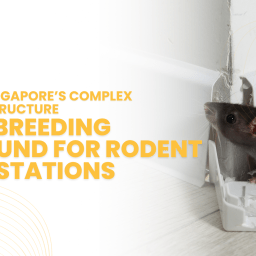
Rat infestations in Singapore have risen sharply, with pest control calls up 25% since late 2023.
The surge is driven by climate pressures and rapid urban development. Heavy rains flood sewers and burrows, pushing Norway rats into drains and even toilets, while roof rats exploit storm-damaged structures.
At the same time, large construction projects disrupt established colonies, scattering rats into nearby neighbourhoods.
Government data mirrors this trend. Rodent-related enforcement cases nearly doubled between 2023 and 2024. Pest companies report 20% more infestations than five years ago.
With each pair of rats capable of producing up to 2,000 offspring a year and no winter die-offs to slow growth, populations expand rapidly.
The risks go beyond property damage. Rats spread diseases like leptospirosis, salmonella, and hantavirus. Their droppings can trigger asthma and allergies in dense housing.
In the food and hospitality sectors, even a single sighting can cause severe harm to reputation.
Other Climate-Driven Pest Surges
Cockroaches
Flooded sewers during heavy rains usually drive them into homes and businesses, leading to sudden infestations. The German cockroach can produce 300 to 400 offspring from a single egg case and reach maturity in just two months. This rapid breeding allows small populations to multiply into thousands within a short time.
Cockroaches are also a major trigger for asthma in children, with up to 40% of asthmatic kids sensitised to cockroach allergens. Their ability to contaminate food areas also makes them a significant public health concern.
Flying Insects (Flies, Bees, Hornets)
Flies complete their life cycle in just 7 to 10 days (meaning they reproduce rapidly) because of the constant heat in the country. More alarming are the rising encounters with stinging insects.
In 2024, five people were hospitalised after a hornet attack at Sungei Buloh, and in 2022, a cyclist died from multiple stings at Sembawang Park Connector. Warmer conditions and storm displacement of nests make such incidents more frequent.
Bees, even if they’re important pollinators, can also pose risks in urban areas. In early 2024, a swarm colonised an HDB laundry rack, highlighting how shifting climates and disrupted nesting sites are driving more swarms into residential spaces.
Economic and Health Implications
Public Health Burden
Dengue alone costs Singapore an estimated S$148 million annually, much of it spent on control programs. But the wider toll includes lost productivity, tourism impacts, and long-term complications.
Allergens from cockroaches and rodents contribute significantly to asthma rates, especially in children, adding strain to the healthcare system through emergency visits and long-term treatment.
Food safety is another area of concern. Pest infestations in kitchens or hawker centres can trigger outbreaks and cause reputational harm.
Financial Impact
Pest control treatments range from S$80-160 for cockroaches to S$800-2,500 for termites, with businesses often paying more for regular preventive measures.
Termite infestations can be more expensive because you won’t notice the damage until repairs run into tens of thousands of dollars and you’re suffering from inventory damage or having to replace damaged equipment.
Reputation is also at stake. Singapore’s global image as a clean, safe destination for foreigners is central to its tourism and business appeal. Pest incidents and infestations at hotels,
Conclusion
Pest prevention is a year-round responsibility, whether you are a homeowner or a business owner. Your focus now should have shifted from reacting to infestations to preventing them in the first place.
Professional help should be sought at the first signs of pest activity. With faster breeding cycles driven by climate change, even short delays can turn supposedly small problems into costly pest infestations.
Are you on the lookout for pest control services in Singapore? Avalon Services is always ready to address your pest needs, especially in this warming climate. We will make sure that your premises are pest-free.