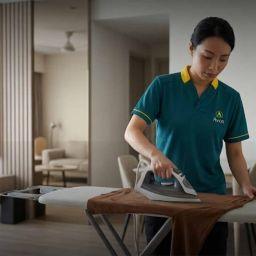
A weekly or fortnightly helper session keeps a home in order, but it cannot hold back the dust, grease, and humidity that build up the moment the helper leaves. In a climate that averages around 30°C and over 80% relative humidity, surfaces degrade fast, and the gap between visits is where most homes start to slip. The fix is a light, repeatable routine you can follow consistently to keep a clean baseline until the next session.
Key Takeaways
- The heat and humidity in Singapore make daily micro-maintenance essential because dust, grease, and mould build up faster than one weekly visit can manage.
- A simple, daily, weekly, and monthly house cleaning routine stops grime from outpacing the helper’s session.
- Wet zones (kitchen and bathrooms) and floors degrade fastest and need short daily attention.
- At least ten minutes of prep before the helper arrives makes the session more productive.
Why Homes Get Dirty So Fast in Singapore
Homes lose their clean baseline quickly because heat, humidity, and high-rise airflow speed up how fast dirt, moisture, and grease build up. Warm, moist air lets mould spores germinate on bathroom grout and inside wardrobes, and that mould then feeds tiny insects such as booklice. At the same time, open windows and strong airflow in high-rise flats pull in outdoor dust, while high-heat cooking coats kitchen surfaces in a film of grease. None of this waits for the next helper’s visit.
Knowing where each problem starts makes daily upkeep far easier to manage. The table below maps the common problems to what causes them and where they build up.
| Common Problem | What Causes It | Where It Builds Up |
|---|---|---|
| Mould and mildew | Humidity above 60% with poor ventilation | Bathroom grout, silicone seals, dark wardrobe interiors |
| Dust mites | Human dander settling into fabric in warm, moist air | Mattresses, pillows, sofas, fabric carpets |
| Kitchen grease film | High-heat cooking in poorly ventilated kitchens | Gas cooker hobs, cooker hoods, upper cabinet fronts |
| Booklice and silverfish | Ambient humidity plus microscopic fungal growth | Old books, cardboard boxes, pantry shelves |
What Should You Do Daily, Weekly, and Monthly?
A tiered schedule prevents the kind of buildup that a single weekly visit cannot catch up on. The idea here is simple. Handle the fast-moving mess every day, rotate deeper tasks across the week, and reserve heavier checks for once a month. Spread this way, no single day feels like a chore, and the helper arrives at a home that only needs intensive cleaning rather than rescue work.
The table below sets out a practical schedule built around how quickly different areas degrade in Singapore’s climate.
| Frequency | Focus Areas | Why It Matters |
|---|---|---|
| Daily (10–15 min) | Make beds, wipe counters and sinks, quick floor sweep, clear kitchen waste, squeegee shower screens | Removing moisture and food residue daily starves mould and pests, and stops limescale from bonding to glass |
| Weekly rotation | One zone per day: kitchen, bathrooms, bedrooms, living area, floors, laundry | Spreading tasks prevents a large weekend backlog and keeps every room on a steady cycle |
| Monthly checks | Declutter wardrobes, clean window interiors and skirting, clear drains, inspect pipe joints | Decluttering removes nesting spots for booklice and silverfish, and early leak checks protect cabinetry from mould |
| The 10-Minute Daily Reset: Each day, make the beds, wipe kitchen counters and the sink, run a quick floor sweep, clear organic waste, and squeegee the shower screen. These five habits handle roughly 80% of what makes a home look and feel dirty between helper visits. |
The Best House Cleaning Tips for Wet Zones and Floors
Kitchens, bathrooms, and floors degrade fastest, so these are the areas worth a few targeted house cleaning tips. The aim is short, well-timed actions that stop residue from hardening into a problem the helper has to fix later, rather than deep scrubbing every day. A minute spent at the right moment saves far more time than a long clean-up after buildup sets in.
- Wipe down after cooking. Grease droplets settle on stovetops and cabinet doors, then cool into a sticky film that traps dust and attracts ants. A quick wipe with an alkaline degreaser removes the grease before it hardens.
- Squeegee shower screens. A few seconds with a squeegee after each shower stops soap scum and minerals from binding to glass and grout, which is where limescale and mould start.
- Rinse the sink and toilet daily. A fast rinse keeps stains and buildup from forming in the days between professional deep cleans.
- Use an electrostatic dry mop for floors. A dry wiper mop captures dust, hair, and pet dander through static charge, keeping floors presentable without a full vacuum every day.
- Match the cleaner to the surface. Use a pH-neutral cleaner on marble and natural stone, because alkaline or acidic products etch and dull these surfaces.
How to Prep Your Home Before the Helper Arrives
Ten to fifteen minutes of prep before the helper arrives lets the session go toward intensive cleaning rather than tidying. Clearing the ground first means the helper can start vacuuming, mopping, and dusting straight away, and it lowers the chance of items being damaged or misplaced during the cleaning.
- Clear clutter and surfaces. Put away toys and loose papers, clear countertops, and move dirty clothes to the laundry hamper.
- Secure valuables. Store jewellery, cash, and sensitive documents in a locked drawer to prevent loss and avoid misunderstandings.
- Set out cleaning supplies. Place approved cleaners in one spot and make sure the vacuum has a clean filter, so no time is lost searching.
- Manage pets and fragile zones. Secure pets in a separate room and flag delicate items with a short note.
It also helps to agree on the scope up front. Standard sessions cover bathroom sanitising, kitchen surface cleaning, floor care, surface dusting, rubbish disposal, and light ironing. Heavier work such as inside-oven cleaning, deep grout scrubbing, upholstery cleaning, and post-renovation cleaning is usually booked separately as a quarterly deep clean.
Frequently Asked Questions
How often should I clean between helper visits?
Aim for 10–15 minutes of light cleaning every day, focused on wet zones and high-touch surfaces, plus a short weekly rotation. In Singapore’s 80%+ humidity, daily upkeep is what stops mould, grease, and dust from building up faster than a single weekly session can manage.
Can a part-time helper clean the outside of my windows?
Only under strict conditions. MOM rules prohibit helpers from cleaning the exterior of window panes above ground level unless locked window grilles are installed and an adult is physically present to supervise. Without both safeguards, exterior window cleaning is a serious legal violation.
How do I keep mould away in Singapore’s humidity?
Keep relative humidity below 50–55% using air-conditioning in dry mode or a dehumidifier, since mould germinates above 60% humidity. Squeegee shower screens, ventilate rooms on dry days, and place silica gel or calcium-chloride desiccants inside wardrobes and pantries to keep enclosed spaces dry.
Keep a Clean Baseline Between Visits
Keeping a home clean in Singapore depends on consistency. A short daily reset, a weekly rotation, and a focus on the wet zones that degrade fastest keep grime from building up between sessions, so each helper visit goes toward real cleaning rather than catching up.
When the in-between routine and the professional session work together, the home stays comfortable, healthy, and ready for whatever the week brings.
If you would rather have a trained, fully insured helper handle the heavier work on a schedule that fits your home, Avalon Services offers part-time cleaning through Singapore’s Household Services Scheme, with the permits, training, and insurance managed for you.
Sources
- https://www.nea.gov.sg/our-services/public-cleanliness/environmental-cleaning-guidelines/advisories/guidance-on-improving-ventilation-and-indoor-air-quality-in-buildings-for-a-healthy-indoor-environment
- https://www.mom.gov.sg/-/media/mom/documents/publications/inform/inform-issue-13.pdf
Disclaimer: Cleaning durations, rates, and government figures in this guide are rough guides for planning only. Verify current requirements and pricing directly with MOM and your chosen HSS agency.
Last updated: June 2026.

Buy 1 Hour, Get 1 Hour FREE
WhatsApp us to claim your first booking offer.